Extended Graphic: Elevate Your Streetwear Brand
When you are building a streetwear brand, the typography you choose is the voice of your collection before a customer even touches the fabric. You need a typeface that feels authentic, raw, and energetic, but also professional enough to scale across different merchandise. This is where the Extended Graphic collection comes in. It is not just a font; it is a comprehensive set of vector-based design assets tailored specifically for the high demands of modern urban fashion. If you have been searching for a way to bridge the gap between raw street art and commercial viability, this collection offers the tools to do exactly that.
Understanding the Visual Language of Extended Graphic
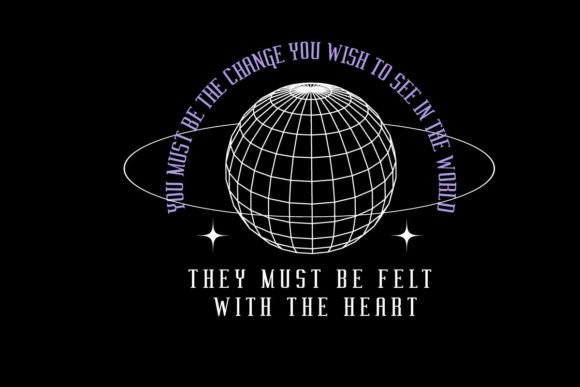
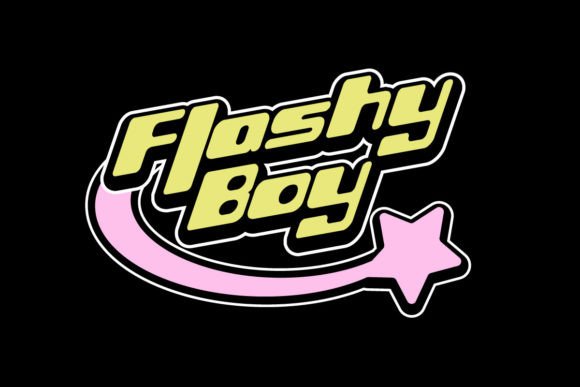
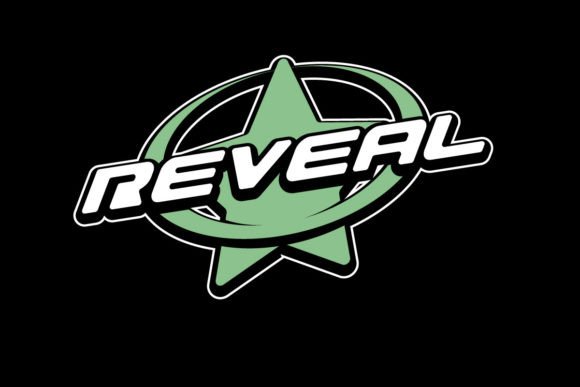
The personality of Extended Graphic is rooted in urban aesthetics. Visually, it leans heavily into bold, geometric forms that command attention. It captures the essence of graffiti culture and skate graphics but refines them into a clean vector format. This style is incredibly versatile because it balances "edge" with legibility. Unlike some decorative fonts that sacrifice readability for style, this collection is designed to work on moving targets—people wearing clothes. The visual characteristics are defined by strong lines and a distinct streetwear vibe that feels current without being trendy to the point of expiration.
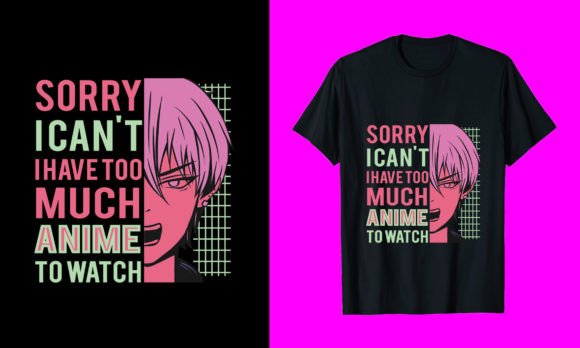
In the world of modern typography, we often talk about the difference between display fonts and body text. Extended Graphic is unapologetically a display font. Its primary job is to grab the viewer's eye on a t-shirt, a hoodie, or a social media post. It creates an immediate visual hierarchy. When you place this text on a garment, it becomes the focal point. This is essential for streetwear fashion brands where the graphic often is the product. The aesthetic is unique enough to stand out in a crowded market but structured enough to maintain a professional brand identity.
Practical Application in Merchandise and Branding
For entrepreneurs and small business owners, the utility of a design asset is just as important as its look. The Extended Graphic collection shines here because of its file structure. You receive 100% vector source files in EPS formats. Why does this matter to you? In the real world, manufacturing requirements vary. One printer might need a high-resolution JPG for a DTG (Direct to Garment) print, while another factory specializing in embroidery or screen printing might require a scalable vector file.
With these vectors, you can transform, scale up, and scale down the designs without losing quality. This is crucial for branding consistency. You might use the same graphic element on a small chest print for a t-shirt and then scale it up massively for the back print of a hoodie. With rasterized images, this scaling results in pixelation and blurriness. With the Extended Graphic vectors, the lines remain crisp and clean at any size.
Furthermore, the ability to edit these files in standard vector graphics software (like Adobe Illustrator or Affinity Designer) gives you total creative control. You aren't locked into a static image. You can recolor the designs to match your specific seasonal palette, add or remove elements to create a distressed look, or combine them with other typography to create a unique lockup for your logo design. This flexibility turns a single asset pack into a library of endless possibilities for your custom printed clothing line.
Strategic Font Pairing and Design Hierarchy
No design exists in a vacuum. A common mistake in streetwear design is using a heavy graphic font for every single piece of text. Extended Graphic is a powerhouse, but it needs the right partner to handle supporting information like care instructions, website URLs, or slogan details.
When working on editorial design or packaging design for your brand, consider pairing this bold display typeface with a clean sans serif font. The contrast between the gritty, artistic extended graphics and a minimalist sans serif creates a sophisticated visual hierarchy. The display font handles the "shout," while the sans serif handles the "conversation." This combination ensures your merchandise looks high-end rather than chaotic.
This principle applies to digital assets as well. For social media graphics, using Extended Graphic for the headline of an Instagram post or a TikTok thumbnail ensures stop-scrolling power. However, for the caption or the "swipe up" call to action, a simpler typeface will ensure your audience can actually read the information quickly. It is about using the font's strengths to guide the viewer's eye exactly where you want it to go.
Technical Considerations for a Professional Finish
From a production standpoint, the quality of the source file dictates the quality of the final product. The inclusion of high-resolution JPGs is perfect for quick mockups or digital use, but the EPS files are the real workhorses for print production. When you extract the ZIP file, take the time to explore the layers in the vector software.
Check the kerning (the spacing between letters) and adjust it if you are altering the text or combining elements. While the files are ready to use, professional designers know that slight tweaks can make a design feel truly bespoke. Additionally, ensure that when you send these files to your printer, you are clear about color modes. For merchandise, you will likely be working in CMYK or Pantone spot colors, whereas digital web design uses RGB. The vector nature of Extended Graphic makes converting between these color spaces seamless, ensuring what you see on screen is what you get on the t-shirt.
Ultimately, Extended Graphic is more than just a collection of cool shapes; it is a toolkit for building a brand. It provides the raw aesthetic power of street culture combined with the technical precision required for professional merchandise production. Whether you are a hobbyist making shirts for friends or a serious entrepreneur launching a clothing line, having access to editable, high-quality vector graphics removes the technical barriers standing between your idea and a finished product. It allows you to focus on the creative side of the business—making designs that resonate with your audience and sell.