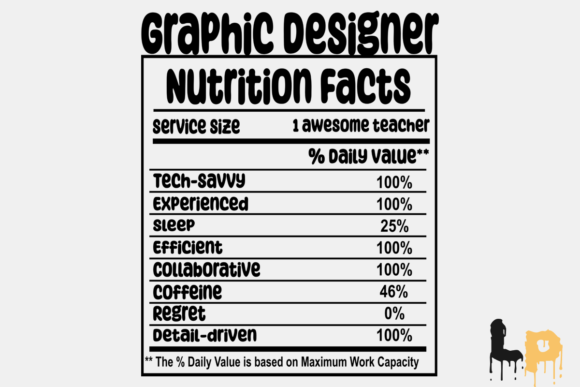
Graphic Designer Nutrition Facts: A Creative Font Breakdown
Every creative professional knows that the right typography does more than just display words; it sets a tone, builds a mood, and anchors a brand's visual identity. When you encounter a typeface like Graphic Designer Nutrition Facts, you are looking at more than just a collection of glyphs. It is a statement piece, a premium font designed to mimic the bold, structured, and slightly humorous aesthetic of a standard food label. However, instead of listing calories and sodium, it lists the "ingredients" of creativity, making it a powerful asset for designers who want to inject personality into their work.
The Personality and Visual Appeal
At its core, Graphic Designer Nutrition Facts is a display font that leans heavily into the "label" aesthetic. It typically features strong, industrial sans serif characteristics mixed with a structured grid layout. The personality of this typeface is functional yet ironic. It borrows the authority and trust associated with official government-mandated packaging and repurposes it for creative expression.
The visual style is clean, bold, and highly legible at a glance. It often utilizes a monospaced or tabular alignment to ensure the "facts" line up perfectly, creating a sense of order. This isn't a flowing script font or a delicate serif font; it is a workhorse designed to look like data. This makes it ideal for projects that require a "hacker," "tech," or "insider" vibe without sacrificing readability. The appeal lies in its ability to be both nostalgic and modern, referencing the packaging of the past while remaining relevant in digital spaces.
Real-World Applications: Beyond the Screen
The versatility of Graphic Designer Nutrition Facts extends far beyond digital mockups. Because this creative font style is so recognizable, it translates exceptionally well to physical products and merchandise. If you are a small business owner or a crafter, this design is perfect for T-shirt printing. The label format works beautifully as a centered chest graphic or a back print, allowing you to customize the "ingredients" to fit a specific hobby, profession, or inside joke.
Furthermore, this style excels in sticker printing and mug printing. The rectangular format fits naturally on a tote bag or a laptop sticker, offering a large canvas for text without looking cluttered. For those in the packaging design space, this font can be used ironically on product boxes or hang tags to describe the "contents" of the service or product inside. It is a conversation starter, making it a valuable tool for merchandise and brand identity projects that aim to be relatable and humorous.
Strategic Usage in Branding and Marketing
From a brand strategy perspective, using Graphic Designer Nutrition Facts signals transparency and a down-to-earth personality. It works exceptionally well for brands in the tech, gaming, fitness, or creative industries. Imagine a coffee brand using this font to list the "nutritional facts" of a morning brew—ingredients like "Caffeine," "Motivation," and "Bad Puns." This approach humanizes the brand and fosters engagement.
In editorial design and web design, this typeface can be used to break up text-heavy layouts. It serves as an excellent pull-quote or sidebar element, drawing the reader's eye to specific data points or humorous asides. For social media graphics, where attention spans are short, the structured grid of this font allows followers to scan information quickly. It creates a strong visual hierarchy, ensuring that the most important "facts" stand out immediately.
Practical Integration and File Usage
When you acquire a digital asset like this, you are usually receiving high-quality files suitable for various editing environments. You will typically receive SVG and PNG files, often at 300 dpi, ensuring crisp edges whether you are printing a small sticker or a large poster. These design assets are compatible with cutting machines like Cricut and Silhouette, which is essential for crafters who want to create custom decals or heat transfers.
When integrating this font into your workflow, consider the context. While it is a fantastic display font, it is generally not suited for long-form body copy or dense paragraphs. Its strength lies in headers, labels, and short bursts of information. Pairing it with a clean, neutral sans serif font for body text can create a balanced composition, allowing the "Nutrition Facts" style to act as the primary visual hook while the supporting text provides the details.
Conclusion
Ultimately, Graphic Designer Nutrition Facts is more than just a novelty; it is a functional commercial font that leverages cultural familiarity to communicate a message. Whether you are designing a logo, creating merchandise for a side hustle, or simply looking to add some personality to your digital marketing, this style offers a unique blend of structure and humor. It reminds us that design doesn't always have to be serious to be professional, and sometimes, the best way to connect with an audience is to speak their language—in this case, the universal language of the label.