Racer Graphic Tee Design: The Ultimate Urban Edge
If you're looking to inject some high-octane energy into your streetwear brand, the Racer Graphic Tee Design is the kind of asset that bridges the gap between raw motorsport aesthetics and modern urban fashion. This collection isn't just about slapping a graphic on a shirt; it's about curating a specific vibe that resonates with a demographic hungry for authenticity. The design language here draws heavily from the gritty, high-speed world of racing culture, blending it with the clean lines required for contemporary streetwear. It captures that specific intersection of nostalgia and futurism—think retro racing stripes meeting bold, aggressive typography.
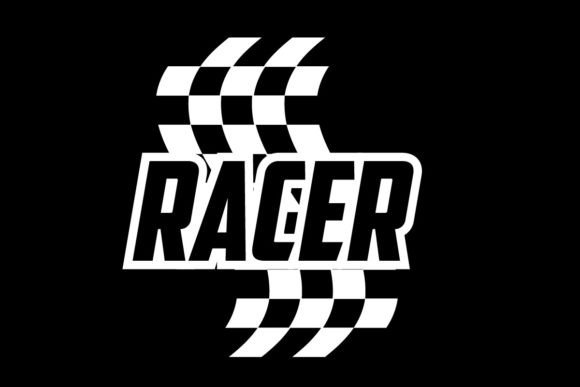
The visual personality of the Racer Graphic Tee Design is undeniably bold. It favors high-contrast elements and sharp geometry, making it an excellent choice for brands that want to project confidence and movement. Unlike standard clip art, this is a cohesive design system. The composition is balanced to work on various garment colors, particularly the darker palettes common in urban fashion. Whether you are a designer drafting a new collection or a small business owner launching a merchandise line, understanding how this design interacts with fabric is key. It’s built to be a statement piece, the kind of graphic that turns a basic cotton tee into a premium product.
Why Vector Flexibility Matters for Streetwear
One of the most practical aspects of this collection is the delivery format. You aren't just getting a static image; you are receiving 100% vector source files in EPS formats. In the world of custom printed clothing, this is non-negotiable for quality control. Raster images (like JPGs or PNGs) pixelate when you scale them up, which is a nightmare when you're trying to adjust sizing for different apparel blanks—from oversized hoodies to fitted tees.
With the vector files included in the Racer Graphic Tee Design pack, you have total control. You can open these files in software like Adobe Illustrator or CorelDRAW and manipulate every single anchor point. This allows you to:
- Scale without quality loss: Whether you need a small chest logo or a massive back print, the lines stay crisp.
- Edit colors instantly: If your brand palette is neon green and black instead of red and white, recoloring takes seconds.
- Modify elements: You can remove a specific racing stripe or add your brand’s tagline directly into the composition.
This level of editability transforms the design from a static image into a flexible design asset. It ensures that the final product on the sublimation print or screen print looks professional, not like a low-res download.
Integrating the Design into Brand Identity
When building a brand identity, consistency is king. The Racer Graphic Tee Design works best when it feels like an extension of a larger visual strategy. If you are a content creator or blogger in the automotive or street style niche, using this aesthetic for your merchandise creates a seamless bridge between your digital content and physical products. It reinforces your authority and style.
Consider the typography usually associated with this style. It often features bold, industrial sans-serifs or distressed scripts. When pairing this graphic with other text on your merchandise—such as a website URL or a slogan on the sleeve—you need to choose typefaces that complement rather than clash. A clean, geometric sans-serif font often works best to balance the complexity of the racer graphic. This creates a clear visual hierarchy, ensuring the main graphic grabs attention while the supporting text remains legible.
Practical Application: From Screen to Print
For entrepreneurs and print-on-demand sellers, the workflow is straightforward. Once you have extracted the ZIP file, open the high-resolution JPG for a quick mockup to show clients or your audience. However, for production, always use the EPS vector files.
- Mockup Phase: Place the JPG onto a t-shirt template to visualize the final look.
- Production Phase: Send the EPS files to your printer. This ensures they can handle the color separation for screen printing or the high fidelity required for DTG (Direct to Garment) printing.
- Merchandise Expansion: Because it’s a vector, you can easily adapt the Racer Graphic Tee Design for other items. Scale it down for a cap logo, stretch it for a poster, or adapt it for sticker packs.
This versatility is what separates amateur merchandise from professional streetwear lines. The ability to adapt a single core asset across multiple product types streamlines your production process and maintains brand cohesion.
Targeting the Right Audience
The "racer" aesthetic has a specific psychological pull. It appeals to individuals who value speed, precision, and a bit of rebellion. If your target demographic falls within the 20-50 age range—specifically those interested in automotive culture, vintage aesthetics, or aggressive modern streetwear—this design hits the mark.
It’s not just for t-shirts. Think about the broader applications for packaging design or social media graphics. A tech reviewer might use elements of the racer design to frame their video thumbnails, creating an energetic look. A podcaster might use it for album art. The "speed" implied by the design suggests efficiency and forward-thinking, qualities that many brands want to project.
Ensuring Professional Polish
Finally, remember that the asset is only as good as its execution. Even the best graphic design can look cheap if the printing is off. When using the Racer Graphic Tee Design, pay attention to your color modes. Ensure your print files are set to CMYK, while your digital previews remain in RGB. This prevents the dull, washed-out look that often plagues printed apparel.
By leveraging the editable nature of these vector files, you aren't just buying a picture; you're investing in a flexible tool that can evolve with your brand. It allows you to maintain the high standards of modern typography