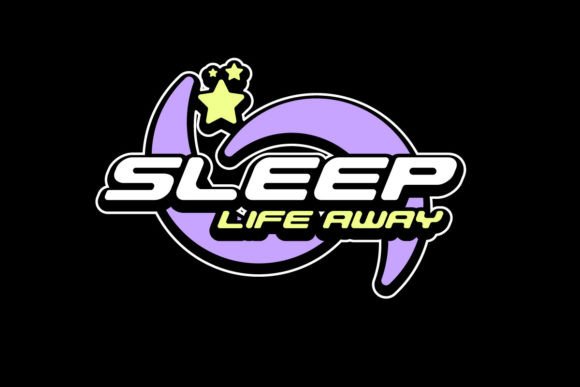
Reviving the Y2k Aesthetic: Graphic Tee Design for Modern Streetwear
There is a distinct energy in the air when you look at the resurgence of early 2000s fashion. It is not just about low-rise jeans or chunky sneakers; it is about a specific visual language that defined a generation. This is where the Y2k Style Graphic Tee Design comes into play. It captures that chaotic, futuristic, and distinctly bold era where technology and pop culture collided. If you are a designer, a streetwear entrepreneur, or a content creator, understanding this aesthetic is key to tapping into a massive market that craves nostalgia mixed with modern edge.
The visual personality of this style is unmistakable. Think chrome textures, bubbly 3D lettering, pixel art, cybernetic elements, and a color palette that often leans into vibrant pinks, silvers, and electric blues. It is a style that refuses to be subtle. When applied to apparel, specifically through custom printed clothing, it creates an immediate visual impact. The "Y2k Style Graphic Tee Design" is not just a picture on a shirt; it is a statement piece that defines the wearer’s connection to a specific subculture of cool.
The Anatomy of Urban Streetwear Graphics
When we talk about the collection available here, we are looking at assets that bridge the gap between raw creativity and commercial viability. These are not just static images. The files provided are 100% vector sources, specifically in EPS formats, accompanied by high-resolution JPGs. For the uninitiated, this distinction is vital. A raster image (like a standard JPEG) becomes pixelated when you try to make it huge. A vector file, however, is built on mathematical equations rather than pixels. This means you can scale a design from a small chest logo to a massive banner without losing a single ounce of quality.
This flexibility is what separates amateur merch from professional streetwear fashion brands. You have the power to transform, scale up, add elements, or recolor the artwork to match your specific brand identity. Imagine you are launching a capsule collection. You need consistency across different garment colors. With vector files, changing the color scheme of the "Y2k Style Graphic Tee Design" to match a seasonal palette takes minutes, not hours.
Practical Application: Beyond the T-Shirt
While the prompt mentions t-shirts, the utility of high-quality vector design extends much further. In the world of modern branding, consistency is king. If your core identity is built around a Y2k aesthetic, that graphic needs to work across multiple touchpoints.
Consider the versatility of these design assets for your projects:
- Apparel and Merchandise: Obviously, these shine on sublimation prints and screen printing. The clean lines ensure crisp edges even on textured fabrics.
- Digital Presence: Use these graphics for social media graphics. Instagram and TikTok audiences respond incredibly well to the Y2k nostalgia trend. It grabs attention in a fast-scrolling feed.
- Packaging Design: If you sell physical products, applying these designs to mailer boxes or tissue paper creates an unboxing experience that feels curated and premium.
- Web Design: Elements from the collection can be used as hero images or background textures on your e-commerce site, reinforcing the brand identity before the customer even reads a word.
The files are delivered in a compressed ZIP format, which is standard for professional design assets. Once extracted, you can import the EPS files into software like Adobe Illustrator or CorelDRAW. This is where the real magic happens. You are not buying a finished product that you are stuck with; you are buying a foundation to build upon.
Strategic Branding with Retro-Futurism
Why does the Y2k Style Graphic Tee Design work so well for brands right now? It comes down to psychology and market trends. The early 2000s represented a time of optimism regarding the future, often visualized through a lens of metallic sheen and digital connectivity. By incorporating this style, brands signal that they are culturally aware and trendy.
However, the key to using this style effectively is balance. If you are a streetwear brand, you might use a bold, large-scale print on the back of a hoodie with a smaller, more subtle logo on the front. This creates a hierarchy in the design. The graphic becomes the focal point, while the brand name provides context. It is a practical approach to editorial design applied to fashion.
For entrepreneurs and small business owners, these assets lower the barrier to entry. You do not need to hire a high-end illustrator to create complex chrome effects or pixel art. You can take these vectors, customize the text to reflect your brand's slogan, and have a professional-grade product ready for production. It is about working smarter, leveraging premium font styles and vector art to create a polished look that builds trust with your audience.
Technical Considerations for Print and Production
When preparing files for custom printed clothing, technical precision matters. The inclusion of high-resolution JPGs in this collection is perfect for quick mockups or digital use, but the EPS files are your production masters. When you send these to a printer, especially for DTG (Direct to Garment) or screen printing, the vector paths ensure that the printer reads the edges of your design cleanly.
A common mistake in web design and merchandise creation is ignoring the "bleed" or the background integration. Because these are editable vectors, you can easily remove background elements or isolate specific icons to use them as standalone assets. This modularity is a massive advantage. You can take a single element from a complex "Y2k Style Graphic Tee Design" and turn it into a small embroidery patch or a lapel pin, expanding your merchandise line without commissioning new art.
Ultimately, this collection offers a blend of aesthetic appeal and technical robustness. It serves the creative professional who needs editable assets and the business owner who needs high-impact visuals. By utilizing these files, you are not just printing a shirt; you are engineering a brand experience that resonates with a specific, enthusiastic demographic. The retro-future is here, and it is ready to be customized.